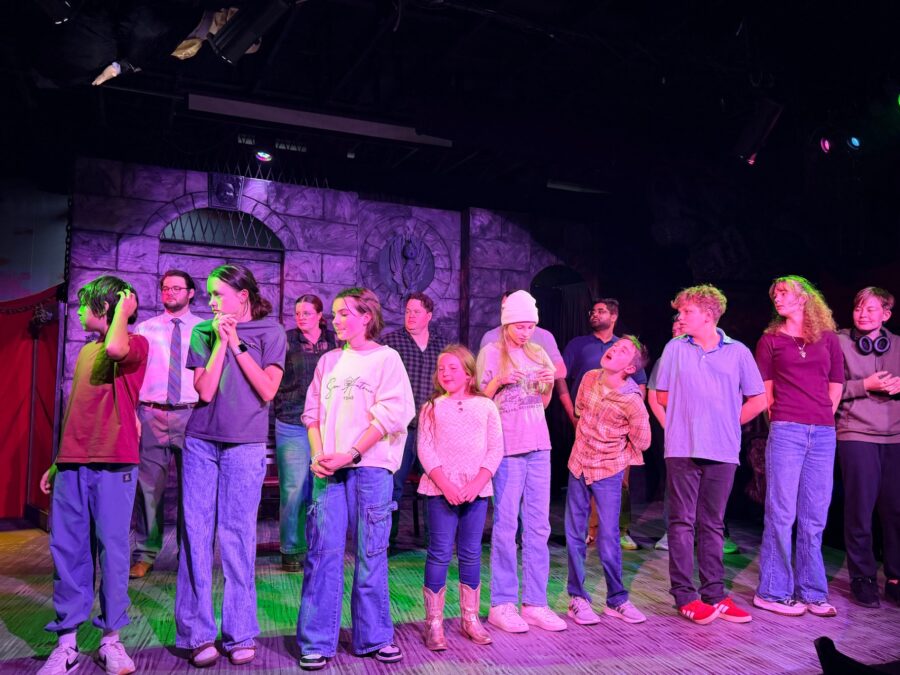
Does your child have to be the class comedian to enjoy improv? Not at all. Improv is less about delivering punchlines and more about being present: listening, responding, and building something together when nobody knows exactly what will happen next.
That makes improv a playful way for kids to practice quick thinking, communication, teamwork, and confidence. A funny scene may happen along the way, but it’s not the whole point.
Improv is quick thinking, not just comedy
In an improv exercise, a student might accept a partner’s idea and add to it, often described as “yes, and.” The goal isn’t to come up with the cleverest line. It’s to pay attention, stay open to ideas, and help the scene move forward.
That practice can encourage active listening and flexibility. A student who freezes when plans change gets a chance to try a small response in a supportive setting. A child who tends to hang back can contribute one idea at a time, without needing to become the loudest person in the room.
Improv research is promising, though it’s worth keeping the claims realistic. A study of elementary-age children found improv classes were associated with improved self-concept, with particularly notable gains among children who started with lower self-concept (ArtsEdSearch study summary). A 2026 study of school-based programs also reported gains in cognitive empathy and collaboration for adolescents who took part in improv theater (study published in Social and Emotional Learning). And a meta-analysis found theater participation was associated with stronger social communication overall, though it reviewed theater programs broadly, not improv alone (meta-analysis).

How improv helps kids practice being brave
Confidence doesn’t always look like standing center stage and projecting to a crowd. Sometimes it’s volunteering an idea, trying again after a scene takes an unexpected turn, or trusting a teammate enough to follow their lead.
Improv gives students repeated chances to practice those small acts of courage. The scene may go in a surprising direction, but that’s part of the fun: students learn to pause, notice what’s happening, and respond rather than worry about getting everything perfect.
That can be especially appealing for a shy child. There’s no requirement to be a comedian or to perform a solo. A welcoming class makes room for different personalities and encourages students to grow at their own pace. Improv is an enrichment activity, not a replacement for professional care when a child needs support with anxiety or other concerns.
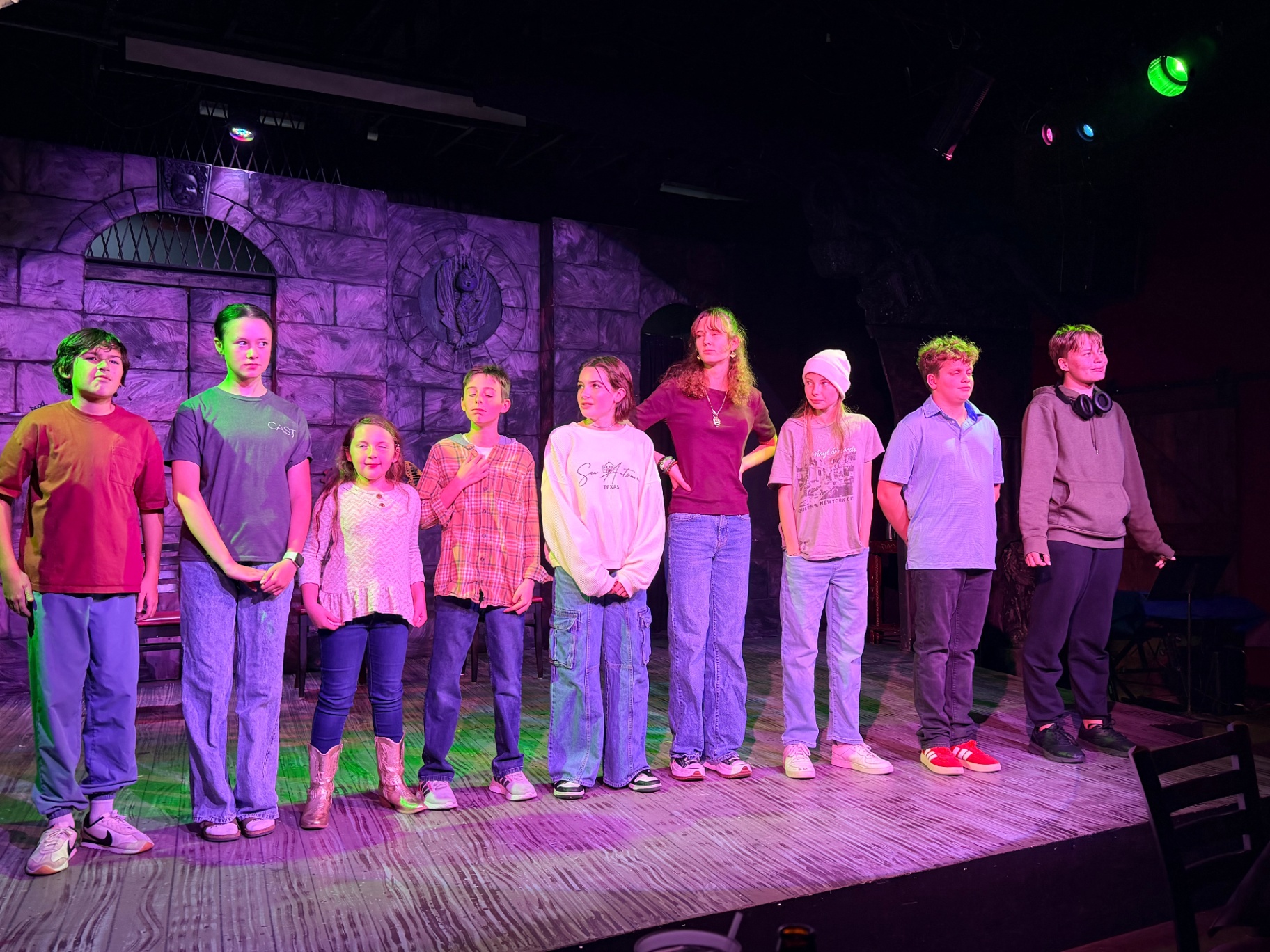
Try improv at Rockwall Acting
Rockwall Acting offers improv classes for ages 8–18, with options for different age groups and experience levels:
- Improv for Everyone: Mondays, 6:30–7:25 p.m., ages 8–18; $90/month.
- Middle School Improv: Wednesdays, 6:30–7:25 p.m., ages 11–14.
- High School Improv: Wednesdays, 8:00–8:55 p.m., ages 14–18.
- Off Script Improv Performance Group: An audition- or recommendation-based opportunity for students already enrolled in a weekly improv class. The group performs at local improv shows at least four times a year; $75/month.
Classes focus on listening, quick thinking, building on others’ ideas, and performing spontaneously. Students also have opportunities to share what they’ve learned at end-of-semester show-offs. Details and schedules can change, so check the current class schedule for the latest information.

A little more confidence, one “yes, and” at a time
So, can improv make your kid braver, and maybe funnier? It can give them a welcoming place to practice taking creative risks, listening closely, and adapting when the unexpected happens. The laugh might be the highlight, but the skills reach beyond the stage.
Explore the Rockwall Acting class schedule, register online, or contact us with questions.